

Inclusive Volunteering
The Inclusive Volunteering Project is a joint project with Loesje Berlin, Ljubljana Pride, YIHR Croatia & YIHR Serbia aims to build intercultural understanding and solidarity through activities involving local communities into practices of volunteerism that embrace multiculturalism understanding and solidarity. It enhances the effectiveness of EU policy tools on inclusion and diversity strategy by positioning volunteering of marginalised groups (especially LGBTIQ+ and racialised people and national/ethnic minorities) as a key tool for promoting solidarity and multiculturalism among EU citizens and beyond.
This was done 4 collaborative events ways:
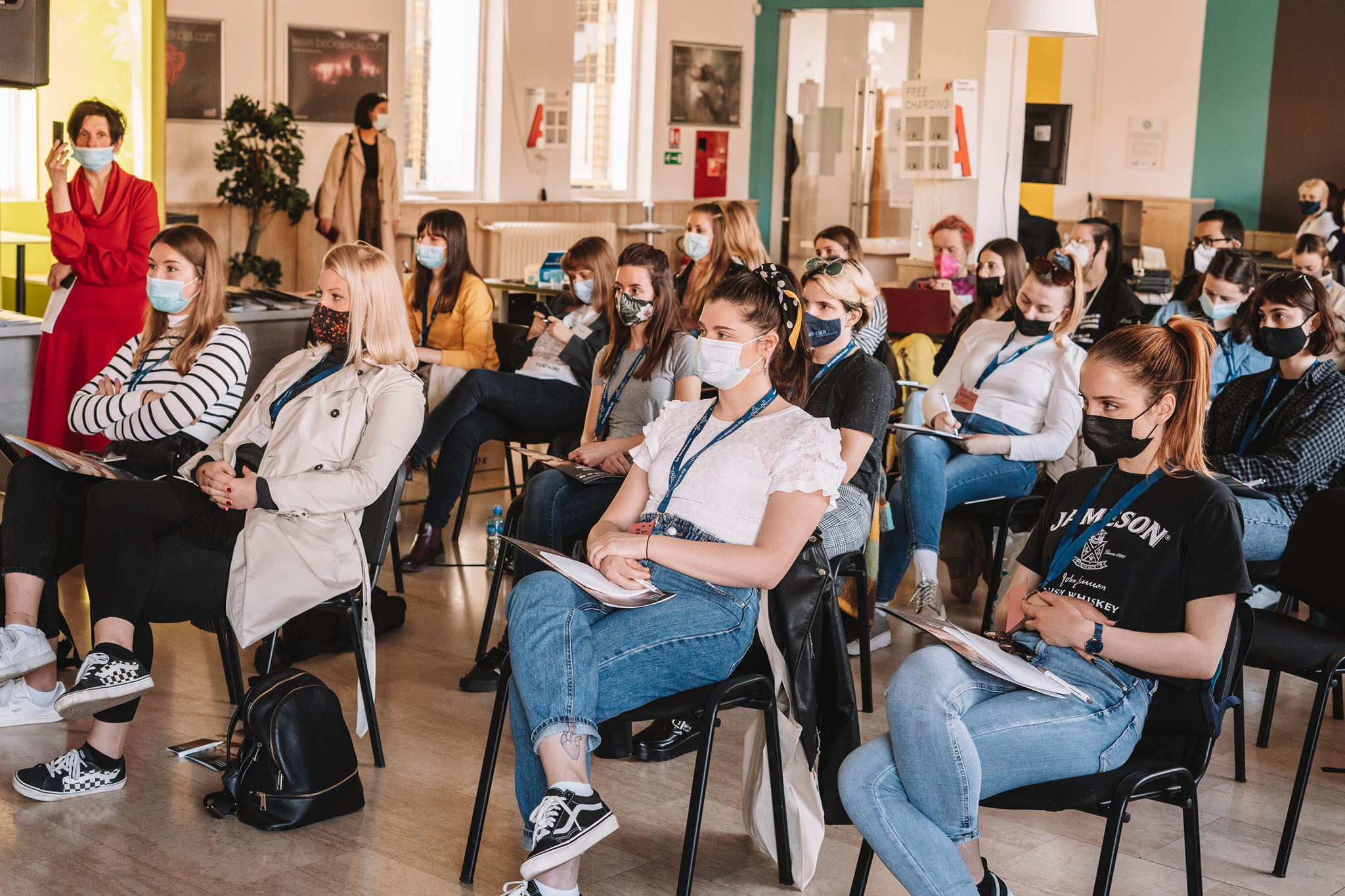
- Collaborative Conference, Ljubljana, Slovenia
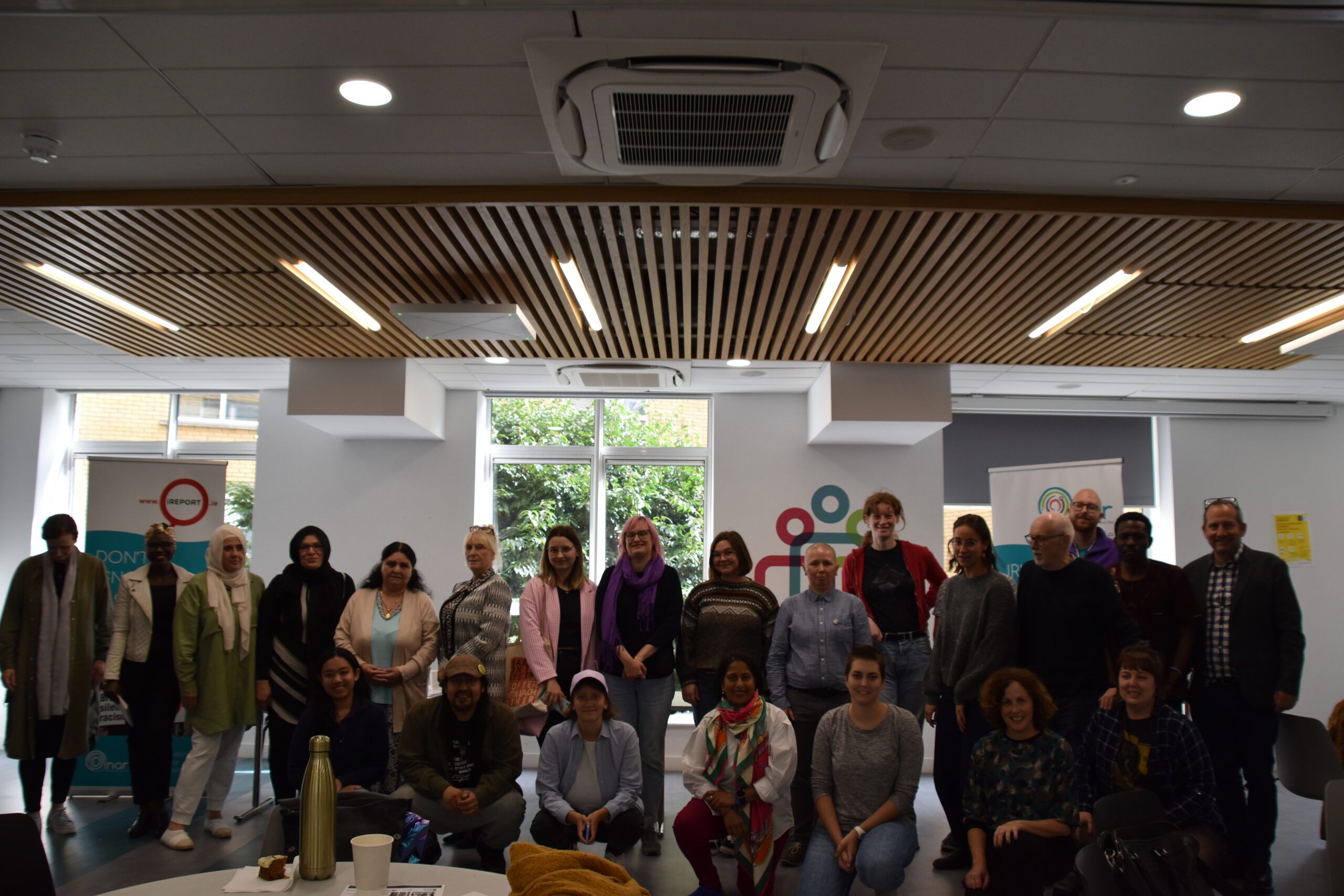
- Study visit, Ireland
- Online Conference
- Experimental Seminar, Croatia
These events created a space to explore the concept of solidarity and the importance of volunteering in vulnerable groups and how to support them.
The project has extensively engaged with how volunteering can be used as an effective tool to eradicate homophobia, xenophobia and racism and how to create inclusive environments when working with different stakeholders.
The project encourages the highlighting of good practice volunteering examples of young people coming from marginalised groups that affected real change in local context, especially in areas of intercultural understanding and solidarity. Diverse approaches, methodologies and tools are employed to promote the concept of inclusive organisations and to strengthen volunteering practices as tools for intercultural understanding and solidarity.
The project was funded with the support of the European Union under the Programme “Europe for Citizens”.


Volunteering as a tool for inclusive society
Good practices manual
“Volunteering as a tool for an inclusive society” aims to build intercultural understanding and solidarity through activities engaging local communities in practices of inclusive volunteerism. This project explores how to use volunteering as a tool to deal with homophobia, racism, and xenophobia in the context of NGOs and local communities, as well as how to create inclusive environments when working with different stakeholders. Volunteering of marginalized groups is a key tool for promoting solidarity among EU citizens and beyond, as well as to cultivate more inclusive organizations. With this manual, the partner organizations want to share useful tools for all sorts of CSOs, with specific value added for the youth sector and local communities particularly interested in getting young people involved in their volunteering activities. The collected best practices they have established in their projects or organizations when it comes to volunteering are a tool for an inclusive society.

Recommendations on inclusive volunteering
These recommendations were developed as part of a transnational partnership, funded by the Europe for Citizens (EFC) – European Commission program, involving organizations from Croatia, Germany, Ireland, Serbia, and Slovenia.
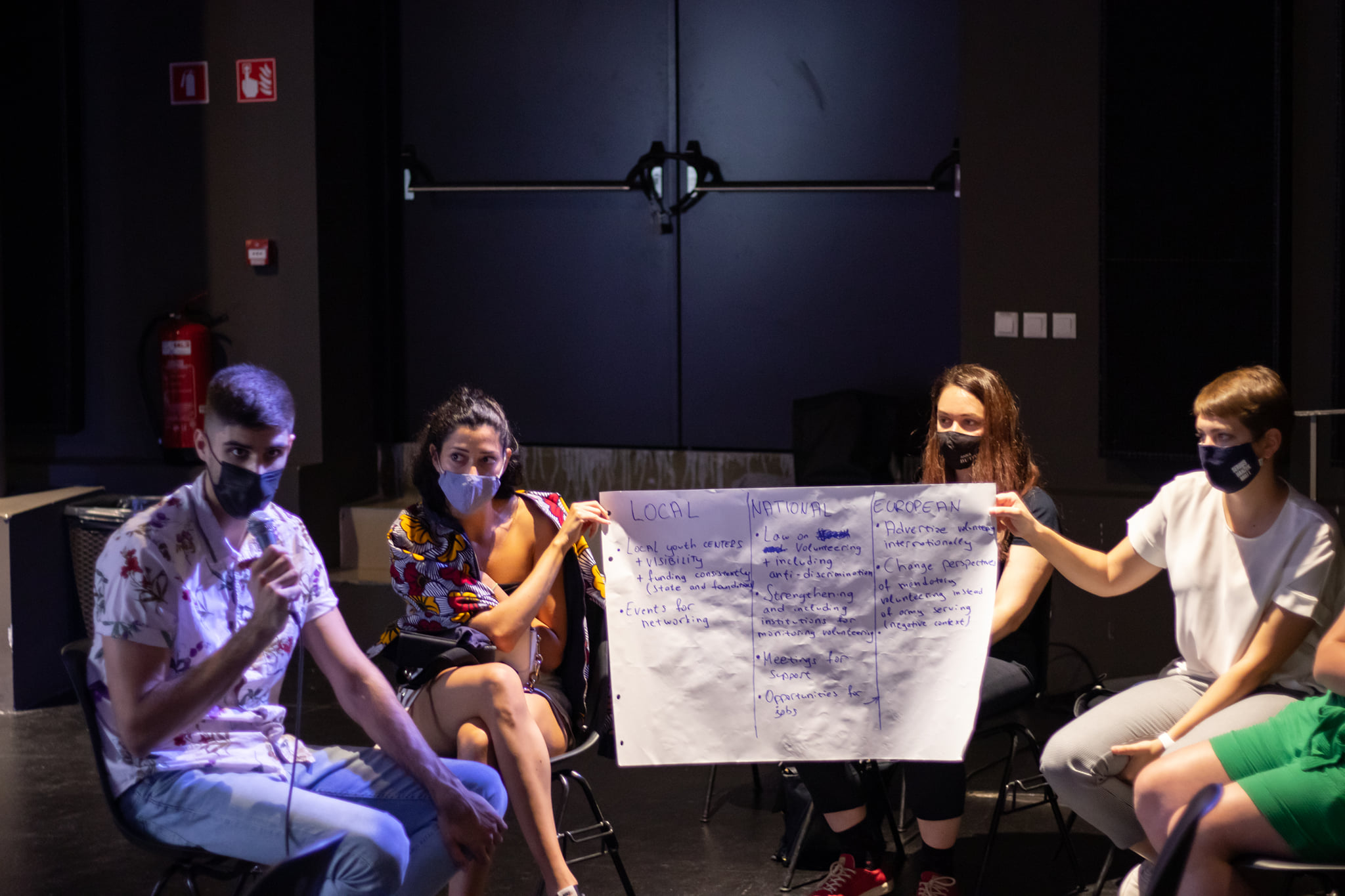
Between March 2021 and September 2022, five organizations (Youth Initiative for Human Rights Croatia, INAR Ireland, Loesje Berlin, Ljubljana Pride, and Youth Initiative for Human Rights Serbia) collected recommendations on inclusive volunteering, both via an online survey and during physical events. The majority respondents are young people coming from marginalised backgrounds and identities themselves. We collected 2540 responses and 915 recommendations for decision makers. A lot of recommendations were similar so we compiled them in a way to express their core idea.